Cart
0
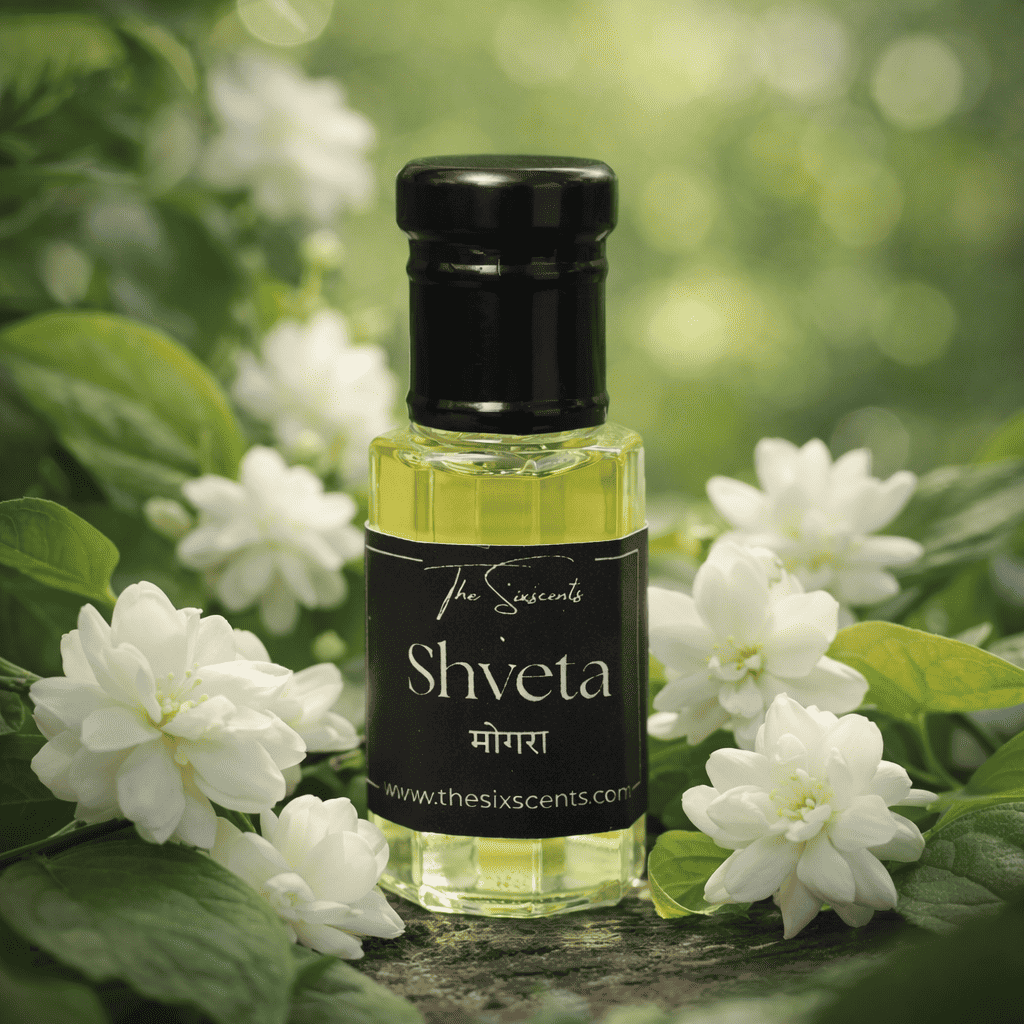
Mogra (Jasmine): The Sacred Flower of Hindu Devotion and Mughal Royalty
Mogra, also known as Arabian Jasmine, holds a unique and revered place in Indian history. Few flowers have travelled so seamlessly across ancient Hindu spiritual traditions and the refined aesthetics of the Mughal courts. Pure, fragrant, and timeless, mogra is more than a bloom — it is a shared cultural language of devotion, beauty, and elegance.
Hindu Heritage and Spiritual Significance
Vedic Roots of Mogra
The cultivation and reverence of mogra in India can be traced back to the Vedic era. It is counted among the Pushpa Panchamrita, the five sacred flowers of Hindu tradition. Its pristine white petals are believed to symbolize purity of thought, intention, and consciousness, making it a natural offering in spiritual practice.
In Hindu philosophy, fragrance is not merely sensory — it is a medium of devotion. Mogra’s soft, calming aroma has long been associated with inner clarity and spiritual elevation.
Mogra in Cultural Rituals and Adornment
Since at least the 5th century BCE, the Mogra Gajra (flower braid) has been an integral part of Indian adornment. Particularly in South India, jasmine garlands are inseparable from cultural identity.
-
Worn by women during festivals and ceremonies
-
Essential for brides as a symbol of auspiciousness and new beginnings
-
Passed down through generations as a mark of grace and femininity
The presence of mogra in daily life reflects how deeply fragrance is woven into Indian culture.
Religious Offerings and Temple Use
Mogra continues to be widely used in Hindu ceremonies and temple rituals. Fresh blossoms are offered to deities, woven into garlands, and used to scent sacred spaces. Statues of gods and goddesses are often adorned with jasmine to invite purity, serenity, and divine presence.
Mughal Heritage and Royal Refinement
Royal Elevation Under Empress Nur Jahan
While mogra was already sacred in Indian tradition, it was during the Mughal era that the flower attained a new level of refinement and prestige. Empress Nur Jahan, known for her sophisticated taste and influence over court aesthetics, is credited with elevating mogra to royal status.
Under her patronage, jasmine became an essential element of court rituals, personal ceremonies, and royal perfumery.
Aromatic Luxury in Mughal Courts
Mogra was cherished in Mughal palaces for its cooling, elegant fragrance.
-
Used to scent bath water and palace pools
-
Favored by emperors and queens for personal wear
-
Appreciated for its natural softness and calming effect
The court of Emperor Jahangir, known for its fascination with flora and natural sciences, paid particular attention to aromatic plants, including jasmine.
Adornment and Personal Elegance
Historical records from the 17th century, including accounts by Niccolò Manucci, describe how Mughal women adorned their hair with flowers such as mogra and champa. These were often paired with scented oils, blending natural fragrance with visual beauty.
This practice reflected the Mughal ideal of elegance — understated, refined, and deeply connected to nature.
Gardens and Artistic Motifs
Mogra became a recurring motif in Mughal art and architecture. It was a favored plant in the iconic char bagh gardens, designed as earthly representations of paradise. These gardens emphasized symmetry, fragrance, and sensory harmony — values mirrored in the Mughal love for jasmine.
A Shared Cultural Legacy
Today, mogra stands as a powerful symbol of shared heritage, transcending religion and region.
Perfumery Traditions
The essence of mogra remains central to traditional Indian ittars, particularly those developed in historic centers like Old Delhi. These natural perfumes preserve centuries-old methods and celebrate jasmine’s timeless appeal.
Textiles and Craftsmanship
Mogra motifs appear in traditional Indian embroidery techniques such as Dori and Aari, reflecting a legacy shaped by both Hindu and Muslim artisans. These designs echo the flower’s grace and symbolic purity.
Modern Indian Weddings
Even today, mogra remains the most beloved floral adornment for Indian brides. Across communities and regions, jasmine continues to signify love, purity, and new beginnings — uniting traditions through fragrance.
Conclusion: A Flower Beyond Time
Mogra is not bound by era, religion, or region. It is a flower that has moved effortlessly from Vedic rituals to Mughal palaces, from temple offerings to bridal adornment.
Its fragrance tells a story of India itself — sacred, refined, and enduring.